Health Care
- 25rural health centres in the Volta and Oti Regions need partners
- 73%of health facilities are in urban centres
- 40%higher maternal mortality in rural areas
- 85%of every gift goes to programme costs
Why rural health care cannot wait
Good health should not depend on where you live
A family's health should not depend on the village it lives in. Our work supports UN Sustainable Development Goal 3: good health and well-being.
Distance decides outcomes
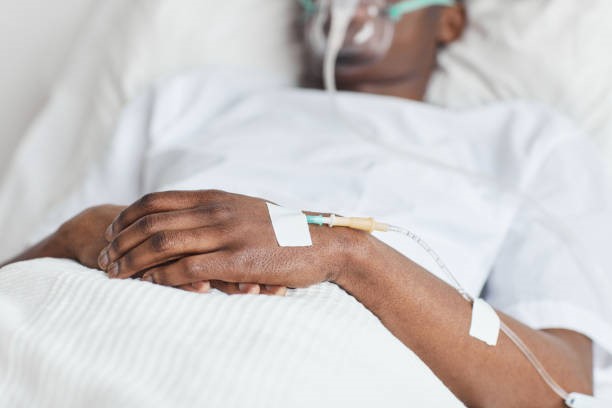
With 73% of health facilities in urban centres, rural families can be far from care. A treatable illness can become an emergency.
Mothers carry the risk
Maternal mortality is 40% higher in rural areas. A safe delivery should not depend on where a mother lives.
Health workers are leaving
Doctors and nurses are drawn to cities and abroad. Training and supporting health workers helps care last.
Volta and Oti Regions
25 rural health centres are ready for partners
We hold data on 25 rural health centres across the Volta and Oti Regions. Each one serves a community that needs better care, and each comes to life when a partner steps in.
We share the portfolio with serious partners and shape each project with them, from the first assessment to the day the centre opens its doors.
Adopt a centre
Anchor one health centre from start to finish, with your story told the way you choose.
Share a centre
Join other partners to fund one centre together, each backing the part that suits you.
Build a portfolio
Support several centres and build a lasting health programme with us.
Fund one need
Pick one part of a centre, such as power, equipment or training, and see it through.
What a centre needs
A building is only the start
These are the things that turn a rural health centre into a place where families get safe, reliable care.
A safe place
- A sound, well-lit building
- Consulting and examination rooms
- A delivery and maternity room
- Clean water, sanitation and reliable power
Skilled people
- Trained nurses and midwives
- Community health workers
- Staff housing that keeps workers in post
- Ongoing training and mentoring
The right tools
- Essential medical equipment
- Medicines and supplies
- Diagnostic and testing tools
- Beds, wheelchairs and safe storage
Care that reaches further
- Ambulance and referral transport
- Outreach and health education
- Digital records and telemedicine links
- Community committees that keep it running
From need to care
- Step 1
Hear the need
Community leaders and health workers tell us what is missing.
- Step 2
Plan together
We shape the project with the community and agree what each side contributes.
- Step 3
Build, equip, train
Clinics, equipment and trained health workers, delivered with the community.
- Step 4
Report back
Partners receive a milestone report every quarter until the project closes.
Fund health care
From one piece of equipment to a whole centre
Ask us for a project brief and budget before you commit. We will shape the gift with you.
Adopt a health centre
Anchor one of our 25 rural health centres, with quarterly reports and your story told your way.
Adopt a centreSponsor health worker training
Strengthen the nurses, midwives and community health workers who serve rural families.
Sponsor trainingEquip a health facility
Provide the equipment a rural facility needs to treat patients safely.
Equip a facilityBeds, wheelchairs and supplies
Hospital and delivery beds, wheelchairs and hygiene products, arranged with us so they reach a real need.
Give in kindMedical and pro bono skills
Give clinical, operations or technology skills, as the teams at F5, SAP and Philips have done.
See how it worksCorporate CSR partnership
Align your CSR or ESG goals with SDG 3. Engage employees through giving, Benevity matching and field visits.
Discuss a partnershipReady to give? Use card or PayPal, Benevity, bank transfer or MTN Mobile Money on 0594 668 468 (TEKCHILLS Foundation), and tell us your gift is for health care.
Be first to know
Help from the very start
We are preparing new health projects with rural communities. Tell us you are interested and we will contact you as each one is confirmed.
- Clinics
- Equipment
- Health worker training
- Outreach
Health professionals, company teams, universities and community groups are all welcome in the field. Every visit follows our Safeguarding Policy.
From our founder
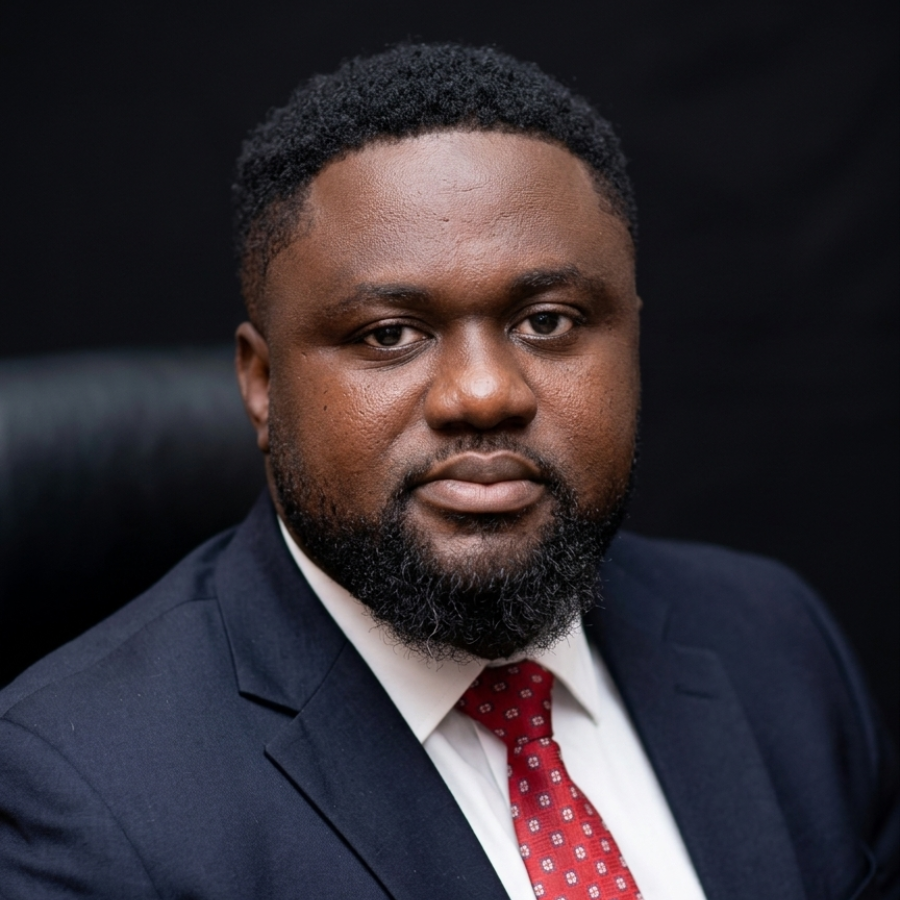
“No mother should have to choose between the road and her child's life. Help us put care where people live.”
Courage Tekpa, Founder and Executive Director
A foundation you can hold to account
The checks a careful partner makes
We are registered in Ghana (Reg. No. CG010572020) under the Companies Act 992. Our board reviews budgets, spending and outcomes every quarter, pro bono advisors from F5, SAP and Philips strengthen our systems, and a Safeguarding Policy protects children and communities.
Our health care work supports UN Sustainable Development Goal 3. This is an alignment with the goal, not an endorsement by the United Nations.
Questions before you give
How many rural health centres need support?
We hold data on 25 rural health centres in the Volta and Oti Regions that need support. We share the portfolio with serious partners and shape each project with them.
What does TEKCHILLS do in health care?
We work with rural communities to bring care within reach. We help communities build clinics, equip health facilities, sponsor training for health workers, use practical technology and speak up for better rural health policy.
Why focus on rural health?
About half of Ghana's people live in rural areas, yet 73% of health facilities are in urban centres. Maternal mortality is 40% higher in rural areas, and health workers are leaving rural posts. Closing that gap saves lives.
Which communities will you work in first?
We are preparing our health care projects and will announce each one as it is confirmed. Tell us you are interested and we will notify you first, or contact us to talk about supporting a specific community.
What will my gift pay for?
Gifts support health centre buildings, power and water, equipment, supplies, transport and training for health workers. Tell us your gift is for health care, and ask for a project brief and budget before you commit.
Can I donate medical equipment or supplies?
Yes. We welcome hospital and delivery beds, wheelchairs and hygiene products. Please arrange it with us first so that every item reaches a real need.
How is my money used?
85% of every gift goes directly to programme costs, 10% to monitoring and evaluation and 5% to administration. Year-by-year records since 2020 are available on request.
Can my company match employee gifts?
Yes. We are a verified nonprofit on Benevity, so employer matching and volunteer grants may apply.
Can doctors, nurses or other professionals help?
Yes. We welcome clinical, operations and technology skills through our Expert Advisory and Pro Bono programme, which has already benefited from teams at F5, SAP and Philips.
Can our group visit a rural community?
Yes. Health professionals, company teams, university groups and community groups can join us in the field. We plan every trip with you, and all visits follow our Safeguarding Policy.
Will you recognise our company as a partner?
Yes, if you wish. We can spotlight your commitment across our website, newsletter and social channels, and every spotlight is agreed with you first. Partners who prefer to give quietly are always welcome to stay private.
How will I know my gift made a difference?
Partners receive a milestone report every quarter until a project closes, followed by a final impact summary.
Is the foundation registered and accountable?
Yes. We are a registered nonprofit in Ghana (Reg. No. CG010572020), incorporated under the Companies Act 992, and our board reviews budgets, spending and outcomes every quarter.
Put care within reach of a rural family
Twenty-five rural health centres in the Volta and Oti Regions need partners. Adopt one, share one or fund one need, and help turn plans into care.